

On Thursday 8 October 2026, the Women Leaders Network for Development (RFLD) convened a panel at the NGOs Forum held ahead of the 89th Ordinary Session of the African Commission on Human and Peoples’ Rights (ACHPR) in Dakar. The panel asked one question: what does an Afrofeminist reading of shrinking civic space tell us about protecting freedom of expression, association and assembly in Africa, and what practical steps can States and the African Commission take to defend those freedoms?

The panel
Four speakers took part, with an RFLD moderator:
- Hon. Commissioner Janet Ramatoulie Sallah-Njie, Special Rapporteur on the Rights of Women in Africa, African Commission on Human and Peoples’ Rights
- Omolara Balogun, Head of Policy Influencing and Advocacy, West Africa Civil Society Institute (WACSI)
- Naji Moulay Lahsen, Executive Director, CIDH Africa
- Bathor Seck, RFLD Country Director for Senegal
- Moderator: John GBENAGNON, Director of Strategy and Development and Head of the RFLD Delegation
The presence of the Special Rapporteur on the Rights of Women in Africa gave the discussion a direct line to the Commission. Her mandate covers the protection of women’s rights under the African Charter and the Maputo Protocol, which 46 of the 55 African Union member States have ratified.

Why an Afrofeminist reading
Civic space is usually measured through laws, arrests and registration figures. These indicators matter. They also miss a large part of what women defenders live. A woman who leads a community association can lose her voice long before any law is passed against her. Smear campaigns, sexist threats, pressure from family and community, and the publication of personal information online can push her out of public life without a single court case.
An Afrofeminist reading starts from these experiences. It looks at how gender, class, age and location shape who can speak, who can meet and who can organise. It also takes seriously the knowledge that African women’s movements have built over decades of organising under pressure. In his opening, John GBENAGNON framed the hour around this lens and invited each speaker to bring the view from her or his own region and practice.

The legal framework at stake
The three freedoms discussed by the panel are protected by the African Charter on Human and Peoples’ Rights. Article 9 guarantees the right to receive information and to express and disseminate opinions. Article 10 protects freedom of association. Article 11 protects the right to assemble freely with others. States that have ratified the Charter have committed to respect these rights and to limit them only within the law and for legitimate reasons.
For women, the Maputo Protocol adds specific obligations. Article 9 of the Protocol requires States to promote the equal participation of women in the political life of their countries, and Article 4 protects their right to life, integrity and security of the person. Read together with the Charter, these provisions mean that a State which tolerates harassment of women defenders, or allows them to be pushed out of public meetings, falls short of its commitments.
The African Commission has built on these texts. Its guidelines on freedom of association and assembly set out clear standards on registration, funding and the policing of gatherings. Resolution 522, adopted in 2022, addresses the protection of women against digital violence. The challenge raised throughout the panel is implementation: the standards exist on paper, and women at community level still face barriers that the law forbids.
West Africa: law, registration and funding
Omolara Balogun opened the first round from the West African perspective of WACSI. The questions put to her covered the legal and administrative tools now used to restrict civic space, and the way they hit women-led and feminist organisations differently. NGO registration rules, reporting obligations and laws on foreign funding were at the centre of the exchange.
These measures are often presented as technical. For small women’s organisations, they can decide whether a group survives. A local association with no full-time staff cannot follow the same procedures as a large international NGO. When funding dries up at the same time, as it has since official development assistance fell sharply in 2025, the result is fewer meetings, fewer public statements and fewer women in decision-making spaces. The discussion also turned to what current civic space indicators fail to capture, and how an Afrofeminist lens can make those harms visible.
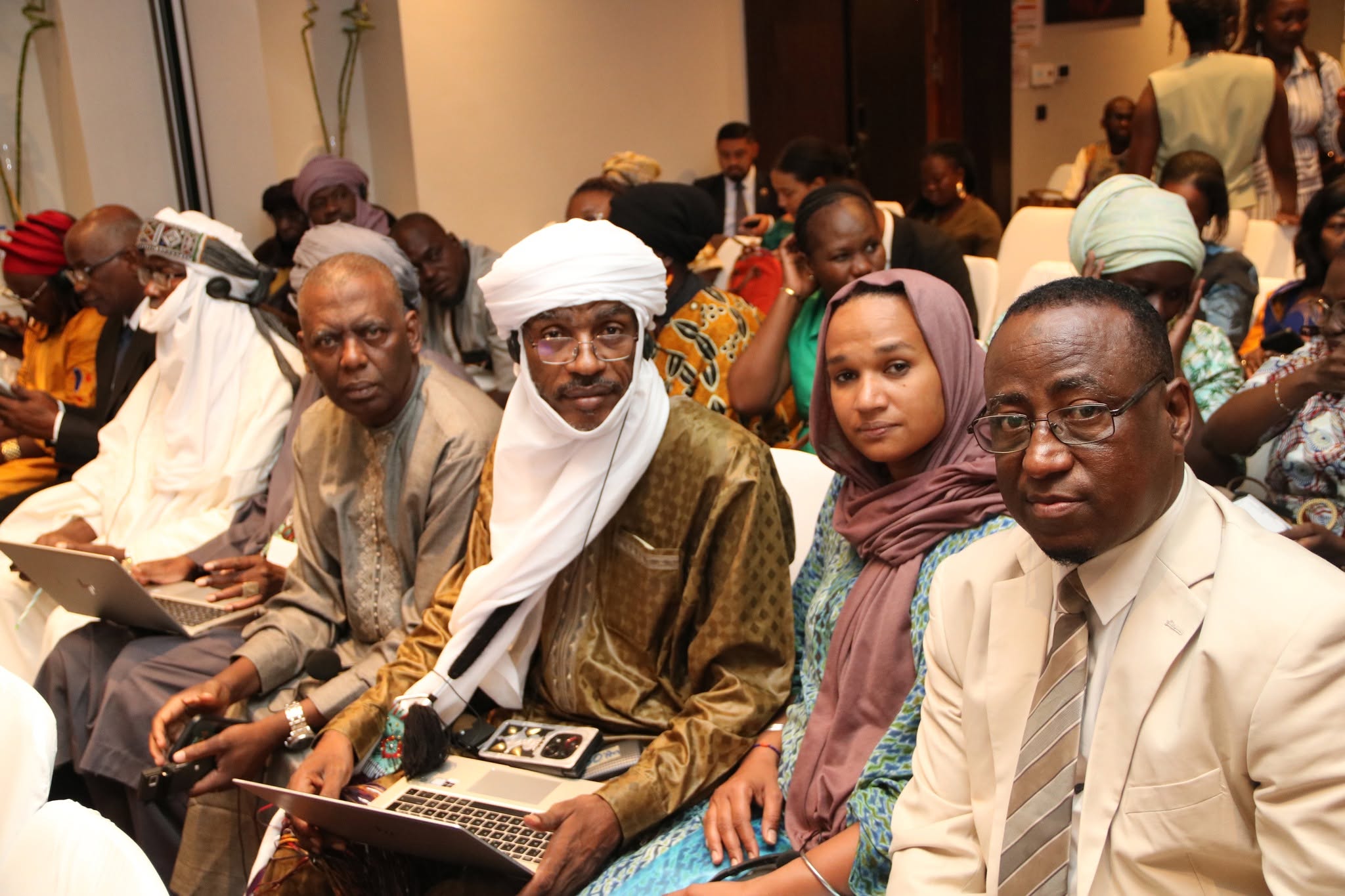
North Africa: digital surveillance and reprisals
Naji Moulay Lahsen brought the experience of CIDH Africa and the cases it documents. The panel looked at trends in restrictions on freedom of expression and assembly in North Africa, and at who pays the highest price. Women journalists and activists face a specific mix of digital surveillance, online harassment and prosecution under cybercrime laws.
The exchange also addressed reprisals against defenders who engage with the African Commission itself. Sub-regional and continental networks were discussed as a practical layer of protection, through joint documentation, rapid alerts and solidarity with defenders under pressure. This links directly to the work of the ACHPR on human rights defenders and to Resolution 522 (2022), which sets a continental standard on online violence against women.

Senegal: civic space at community level
Bathor Seck, RFLD Country Director for Senegal, moved the discussion away from the capitals. Her questions focused on how shrinking civic space shows up in daily life in communities, and what women leaders lose when they cannot meet or speak freely on issues such as access to water, land or local budgets.
At community level, civic space is concrete. It is the right to call a meeting about a broken water pump, to ask a local council how a budget line was spent, or to bring a land dispute before the authorities. When women are discouraged from doing so, public services and local accountability suffer for the whole community. Bathor Seck also presented how RFLD supports women human rights defenders to stay safe online and offline while continuing their work, through training, accompaniment and peer networks.
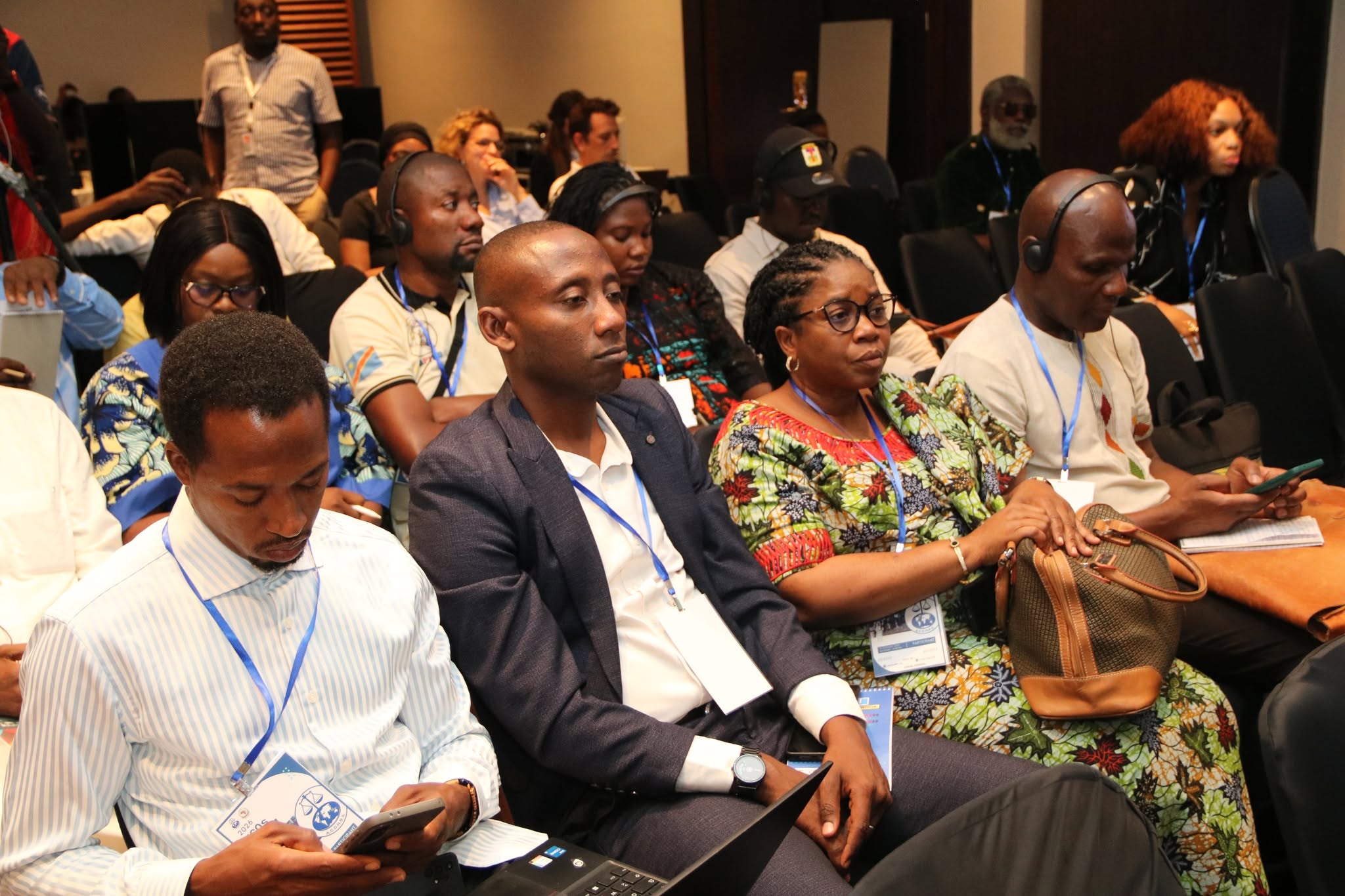
The voice of the Special Rapporteur
Hon. Commissioner Janet Ramatoulie Sallah-Njie joined the panel as Special Rapporteur on the Rights of Women in Africa. Her participation connected the testimonies and analysis in the room to the instruments of the African human rights system. The Maputo Protocol, the African Charter and the resolutions of the Commission give States clear obligations on the participation of women in public and political life and on their protection from violence, including violence that takes place online.
For participants, hearing a Commissioner engage with civil society on these questions is an important step. It shows that the experience of women defenders can reach the agenda of the Commission when organisations document it and bring it to Banjul and to each Ordinary Session.
Recommendations from the panel
In the second round, each speaker was asked for one practical recommendation to States and to the African Commission. The recommendations shared during the session will be included in the Forum report. They point in the following directions:
- Review NGO registration and foreign funding rules so that they do not block small women-led organisations, and simplify procedures for community associations.
- Recognise online harassment, smear campaigns and doxxing of women defenders as attacks on civic space, and apply Resolution 522 in national law and practice.
- Strengthen the response of the African Commission and its Special Rapporteurs to reprisals against defenders who cooperate with the Commission.
- Protect the right of women at community level to meet and question local authorities on public services, land and budgets.
- Support flexible, direct funding for women’s organisations so they can keep working when space shrinks.
Questions from the floor
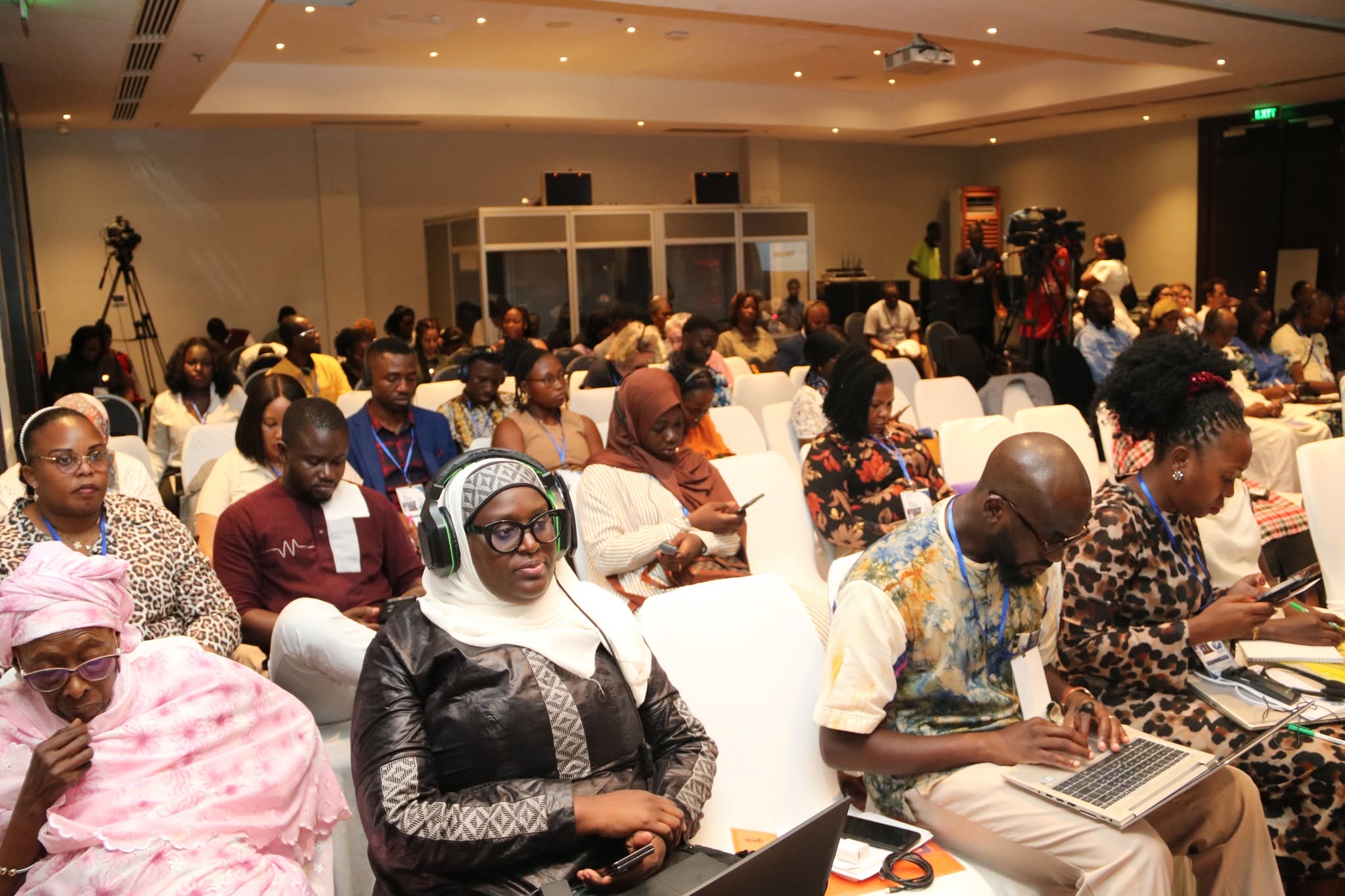
Fifteen minutes were given to the room, with questions taken in groups of three. Participants raised cases from their own countries and asked how the African Commission can follow up on individual situations. Several asked for practical tools on digital safety and on documenting attacks against women defenders. The exchange confirmed the demand for more spaces where grassroots organisations can speak directly to the Commission.
Each panellist closed with a single sentence for the Forum. The moderator then summarised the key recommendations for the Forum report. RFLD thanks the panel rapporteur, who recorded the discussion for the Forum report.
Key takeaways
Several lessons emerged from the hour of discussion.
- Civic space is gendered. Restrictions that look neutral in the text of a law have a heavier effect on small women-led organisations, which have fewer resources to comply and fewer allies to defend them.
- Online attacks are civic space attacks. Harassment, smear campaigns and the publication of personal information drive women out of public debate as surely as a ban on a meeting.
- The local level matters. Much of the shrinking of civic space happens far from capitals, in village meetings and municipal councils, where it is rarely documented.
- Funding is part of the picture. Restrictive funding rules and the fall in international aid combine to weaken the organisations that hold authorities to account.
- Regional mechanisms can respond. The African Commission, its Special Rapporteurs and civil society networks have tools to protect defenders, and these tools work best when cases are documented and shared quickly.
From Dakar to the African Commission
A panel at the NGOs Forum is a starting point. The Forum adopts recommendations and resolutions that are presented to the African Commission at the opening of its Ordinary Session. The recommendations from the panel will feed into this process through the Forum report.
RFLD will carry the findings of the panel into its other engagements during the 89th Ordinary Session, in particular its work with the Special Rapporteur on Human Rights Defenders and its events on technology-facilitated gender-based violence. The network will also share the outcomes with its member organisations, so that women’s groups at national level can use them in their own dialogue with authorities.
Beyond Dakar, the discussion confirms the direction of RFLD’s work. The network supports women human rights defenders with training on digital and physical safety, accompanies member organisations in strengthening their governance, and documents the barriers women face when they take part in public life. Each of these activities aims to keep women’s organisations active and visible in the places where decisions affecting them are taken.
Why this conversation matters now
The 89th Ordinary Session takes place shortly before the 40th anniversary of the entry into force of the African Charter, on 21 October 2026. Four decades after the Charter took effect, the right of women to speak, meet and organise remains contested in many parts of the continent. The anniversary is a moment to measure the distance between the promises of the Charter and the daily experience of women defenders.
It is also a moment to recognise what African women’s movements have achieved. Many of the protections now in the Maputo Protocol and in the resolutions of the Commission exist because women’s organisations documented abuses, built coalitions and pressed for change. Defending civic space today means protecting the conditions that made those gains possible.
What comes next for RFLD in Dakar
The panel is one step in a full programme. Earlier the same day, John GBENAGNON delivered RFLD’s statement at the opening ceremony of the NGOs Forum and moderated the session on the state of human rights and democracy in Africa. On Monday 12 October, RFLD contributes to the panel “Defending without being exposed” on the main agenda of the 89th Ordinary Session. The full schedule is available on our programme page for the 89th Session and on our media page.
RFLD is a Pan-African Afrofeminist network founded in 2013. It brings together 1,143 member organisations in more than 35 countries and holds observer status with the African Commission. RFLD thanks Hon. Commissioner Sallah-Njie, Omolara Balogun, Naji Moulay Lahsen and Bathor Seck for their contributions, and the African Centre for Democracy and Human Rights Studies (ACDHRS) for organising the NGOs Forum.


