

Women’s rights lawsLois sur les droits des femmes
Laws for all 55 African Union statesLes lois des 55 États de l’Union africaine
Country law profiles in one place.Des profils juridiques par pays au même endroit.
Meeting at the Ministry of Justice, Senegal, 2026Rencontre au ministère de la Justice, Sénégal, 2026
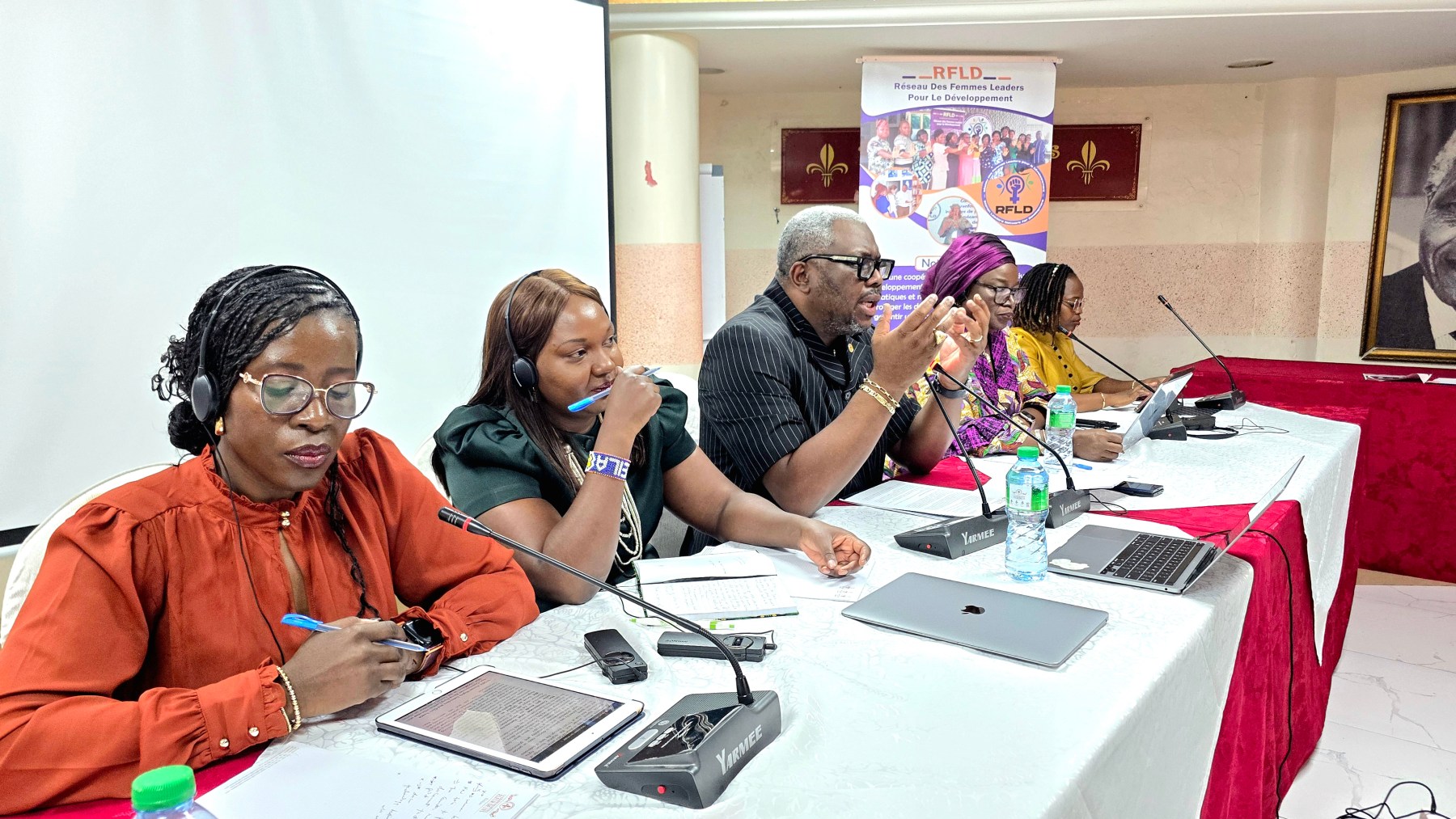
SearchRechercher
Find the law that appliesTrouvez la loi applicable
By country and by topic.Par pays et par thème.
RFLD side event, 89th Ordinary Session of the African Commission, Dakar, 2026Événement parallèle du RFLD, 89e session ordinaire de la Commission africaine, Dakar, 2026
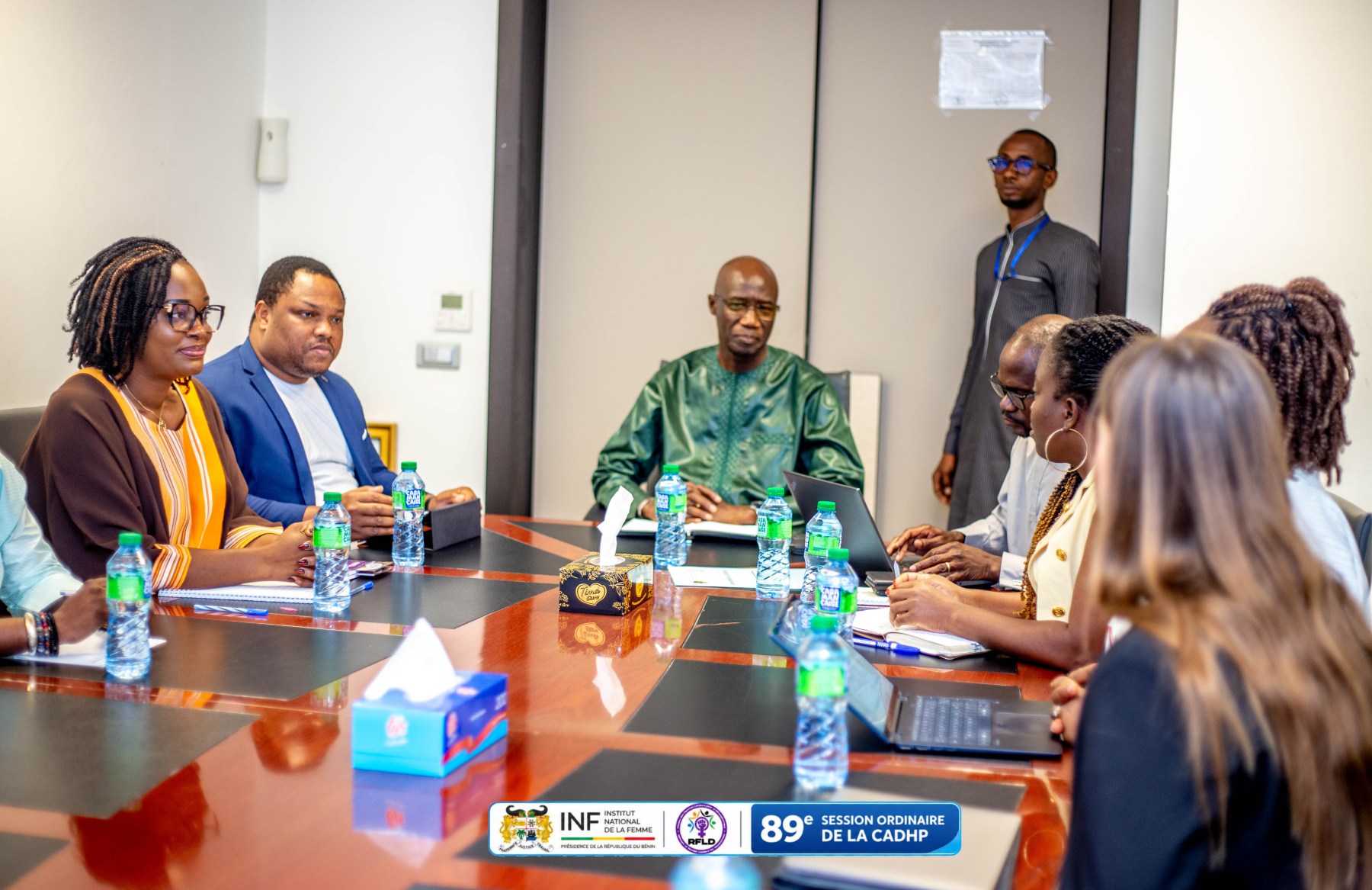
GapsLacunes
See where protection is missingVoyez où la protection manque
Compared with the Maputo Protocol.Au regard du Protocole de Maputo.
Meeting at the Ministry of Justice, Senegal, 2026Rencontre au ministère de la Justice, Sénégal, 2026

AdvocacyPlaidoyer
A tool for reformUn outil pour la réforme
Used by members, lawyers and journalists.Utilisé par les membres, les juristes et les journalistes.
RFLD at the 89th Ordinary Session of the African Commission, Dakar, 2026Le RFLD à la 89e session ordinaire de la Commission africaine, Dakar, 2026
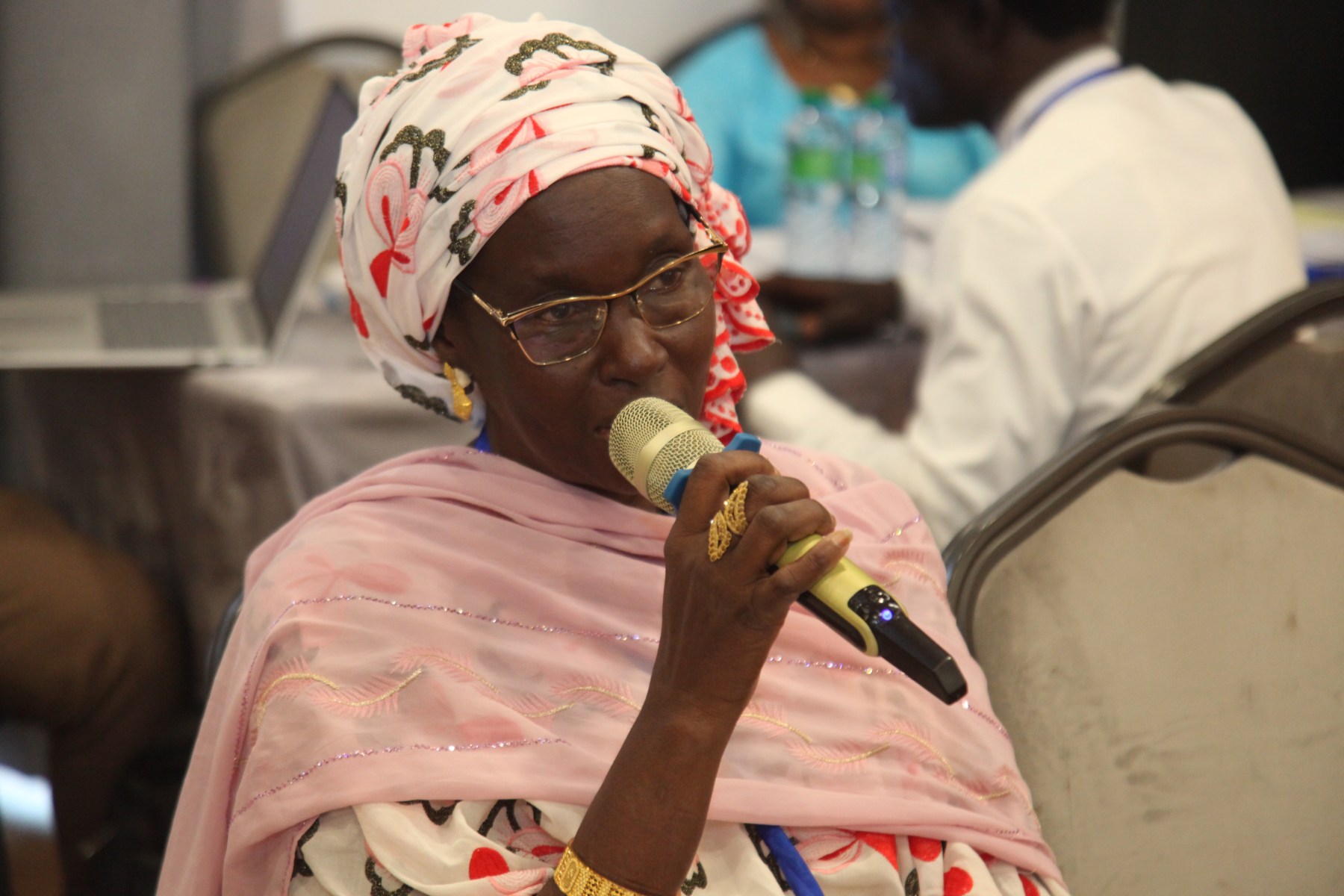
FreeGratuit
Open to everyoneOuvert à tous
Free to use, cite and share.Libre d’utilisation, de citation et de partage.
RFLD network gathering, 2026Rencontre du réseau RFLD, 2026
Why this matters nowPourquoi maintenant
The urgent need, and how we respondL’urgence, et notre réponse
Why it is urgentPourquoi c’est urgent
Women often do not know which laws protect them, and many laws still discriminate.Les femmes ignorent souvent quelles lois les protègent, et beaucoup de lois discriminent encore.
Why RFLDPourquoi le RFLD
RFLD compiles country law profiles for all 55 African Union states and checks them against continental standards.Le RFLD compile des profils juridiques pour les 55 États de l’Union africaine et les confronte aux normes continentales.
How we respondComment nous agissons
We make the law easy to find and use for advocates, lawyers and women themselves.Nous rendons le droit facile à trouver et à utiliser pour les militants, les juristes et les femmes elles-mêmes.
A right you cannot find is a right you cannot claim.Un droit qu’on ne trouve pas est un droit qu’on ne peut pas faire valoir.
DƆNÙESÈ Data Center / Women’s Rights Laws by Country
Women’s Rights Laws by CountryLes lois sur les droits des femmes, pays par pays
Country profiles for all 55 African Union member states across West, Central, East, Southern and North Africa. Each profile sets out the status of 29 African Union treaties, 13 of them on human rights, and of the other international treaties the State has accepted, its constitution, its national laws on violence, marriage, family, land, health and political participation, and the laws that shape civic space for women’s organisations and human rights defenders. Every entry links to its source.
Français
Profils juridiques des 55 États membres de l’Union africaine. Chaque profil présente les traités ratifiés, la Constitution et les lois nationales sur les violences, le mariage, la famille, la terre, la santé et la participation politique, avec un lien vers chaque source. Choisissez « Français » dans le sélecteur de langue du site pour lire les pages pays en français.
Português
Perfis jurídicos dos 55 Estados-membros da União Africana. Cada perfil apresenta os tratados ratificados, a Constituição e as leis nacionais sobre violência, casamento, família, terra, saúde e participação política, com ligação a cada fonte.
العربية
ملفات قانونية للدول الأعضاء الـ55 في الاتحاد الأفريقي. يعرض كل ملف المعاهدات التي صادقت عليها الدولة، والدستور، والقوانين الوطنية المتعلقة بالعنف والزواج والأسرة والأرض والصحة والمشاركة السياسية، مع رابط لكل مصدر.

The picture at a glance
What the database shows across the 55 African Union member states, October 2026.
Key findings
Women leading change
Lawyers, Commissioners, parliamentarians and activists use these laws every day to defend the rights of women and girls across Africa.


46 of 55 African Union member states have ratified the Maputo Protocol. Egypt and Morocco have not signed it. Burundi, Chad, Eritrea, Madagascar, Niger, Somalia and Sudan have signed but not ratified.
Countries are grouped by the five regions of the African Union.
Afrique de l’Ouest
Afrique centrale
Afrique de l’Est
Afrique australe
North Africa

Women in parliament and legal coverage
Women in parliament by region
Average share of seats held by women in the lower or single chamber. Source: IPU, 2026.
Top 10 countries
Share of seats held by women. Source: IPU, 2026.
Gender quotas
Type of quota for the lower or single chamber, number of countries.
Reporting to the African Commission
States Parties to the African Charter by number of overdue reports.
Which topics are documented
Share of the 55 countries with a sourced national law or provision on each topic. Short bars show where research and law reform are most needed.
Compare the 55 countries
| Country | Region | Maputo Protocol | CEDAW Optional Protocol | Women in parliament |
|---|---|---|---|---|
| Bénin | Afrique de l’Ouest | ratified 2005 | party | 25.7% (2026) |
| Burkina Faso | Afrique de l’Ouest | ratified 2006 | party | 19.0% (2026) |
| Cap-Vert | Afrique de l’Ouest | ratified 2005 | party | 47.2% (2026) |
| Côte d’Ivoire | Afrique de l’Ouest | ratified 2011 | party | 14.9% (2025) |
| Ghana | Afrique de l’Ouest | ratified 2007 | party | 14.5% (2026) |
| Guinée | Afrique de l’Ouest | ratified 2012 | not ratified | 40.8% (2026) |
| Guinée-Bissau | Afrique de l’Ouest | ratified 2008 | party | appointed transition council, no data (2026) |
| Libéria | Afrique de l’Ouest | ratified 2007 | not ratified | 11.0% (2026) |
| Mali | Afrique de l’Ouest | ratified 2005 | party | 30.1% (2026) |
| Niger | Afrique de l’Ouest | not ratified | party | 19.6% (2026, appointed council) |
| Nigeria | Afrique de l’Ouest | ratified 2004 | party | 4.2% (2026) |
| Sénégal | Afrique de l’Ouest | ratified 2004 | party | 41.2% (2026) |
| Sierra Leone | Afrique de l’Ouest | ratified 2015 | not ratified | 28.2% (2026) |
| Gambie | Afrique de l’Ouest | ratified 2005 | not ratified | 8.6% (2026) |
| Togo | Afrique de l’Ouest | ratified 2005 | not ratified | 21.6% (2026) |
| Burundi | Afrique centrale | not ratified | not ratified | 39.6% (2025) |
| Cameroun | Afrique centrale | ratified 2012 | party | 33.9% (2026) |
| République centrafricaine | Afrique centrale | ratified 2025 | party | 11.4% (2026) |
| Tchad | Afrique centrale | not ratified | not ratified | 33.5% (2026) |
| République démocratique du Congo | Afrique centrale | ratified 2008 | not ratified | 12.8% (2026) |
| Guinée équatoriale | Afrique centrale | ratified 2009 | party | 31.0% (2026) |
| Gabon | Afrique centrale | ratified 2011 | party | 21.6% (2026) |
| Republic of the Congo | Afrique centrale | ratified 2011 | not ratified | 14.6% (2026) |
| Sao Tomé-et-Principe | Afrique centrale | ratified 2019 | party | 14.6% (2026) |
| Rwanda | Afrique de l’Est | ratified 2004 | party | 63.8% (2026) |
| Comoros | Afrique de l’Est | ratified 2004 | not ratified | 18.2% (2026) |
| Madagascar | Afrique de l’Est | not ratified | not ratified | 16.0% (2026) |
| Mauritius | Afrique de l’Est | ratified 2017 | party | 17.9% (2026) |
| Seychelles | Afrique de l’Est | ratified 2006 | party | 26.5% (2026) |
| Tanzania | Afrique de l’Est | ratified 2007 | party | 37.6% (2025) |
| Kenya | Afrique de l’Est | ratified 2010 | not ratified | 23.0% (2026) |
| Ouganda | Afrique de l’Est | ratified 2010 | not ratified | 35.4% (2026) |
| Éthiopie | Afrique de l’Est | ratified 2018 | not ratified | new parliament elected 2026 |
| South Sudan | Afrique de l’Est | ratified 2023 | party | 32.4% (2026) |
| Sudan | Afrique de l’Est | not ratified | not ratified | parliament suspended |
| Somalia | Afrique de l’Est | not ratified | not ratified | 19.0% (2026) |
| Djibouti | Afrique de l’Est | ratified 2005 | not ratified | 26.2% (2026) |
| Eritrea | Afrique de l’Est | not ratified | not ratified | no elected parliament |
| Angola | Afrique australe | ratified 2007 | party | 41.4% (2025) |
| Botswana | Afrique australe | ratified 2023 | party | 9.0% (2026) |
| Eswatini | Afrique australe | ratified 2012 | not ratified | 20.3% (2026) |
| Lesotho | Afrique australe | ratified 2004 | party | 25.0% (2026) |
| Malawi | Afrique australe | ratified 2005 | not ratified | 20.7% (2026) |
| Mozambique | Afrique australe | ratified 2005 | party | 38.0% (2026) |
| Namibie | Afrique australe | ratified 2004 | party | 42.3% (2026) |
| Afrique du Sud | Afrique australe | ratified 2004 | party | 45.1% (2026) |
| Zambie | Afrique australe | ratified 2006 | signed, not ratified | new parliament elected Aug 2026 |
| Zimbabwe | Afrique australe | ratified 2008 | not ratified | 30.1% (2026) |
| Mauritanie | North Africa | ratified 2005 | not ratified | 23.3% (2026) |
| Tunisia | North Africa | ratified 2018 | party | 15.8% (2026) |
| Algeria | North Africa | ratified 2016 | not ratified | 6.1% (2026) |
| Egypt | North Africa | not ratified | not ratified | 26.8% (2025) |
| Libya | North Africa | ratified 2004 | party | 16.5% (2026) |
| Morocco | North Africa | not ratified | party | 24.3% (2026) |
| Sahrawi Arab Democratic Republic | North Africa | ratified 2022 | not a UN member | about 40% (2023) |
African Union treaties at a glance
Year of ratification, signature only, or no action, as recorded in the official African Union status lists (list dates between 2017 and May 2026; see each country page for the list date and 20 further AU treaties).
| Country | Maputo Protocol | African Charter | Children’s Charter | African Court Protocol | ACDEG | Convention on Violence against Women and Girls | Disability Protocol | Corruption Convention | Malabo Convention |
|---|---|---|---|---|---|---|---|---|---|
| Bénin | 2005 | 1986 | 1997 | 2014 | 2012 | No | No | 2007 | 2024 |
| Burkina Faso | 2006 | 1984 | 1992 | 1998 | 2010 | No | 2025 | 2005 | No |
| Cap-Vert | 2005 | 1987 | 1993 | No | 2023 | No | No | No | 2020 |
| Côte d’Ivoire | 2011 | 1992 | 2002 | 2003 | 2013 | No | No | 2012 | 2023 |
| Ghana | 2007 | 1989 | 2005 | 2004 | 2010 | Signed 2025 | No | 2007 | 2019 |
| Guinée | 2012 | 1982 | 1999 | Signed 2003 | 2011 | No | No | 2012 | 2018 |
| Guinée-Bissau | 2008 | 1985 | 2008 | 2021 | 2011 | No | No | 2011 | Signed 2015 |
| Libéria | 2007 | 1982 | 2007 | Signed 1998 | 2014 | Signed 2025 | No | 2007 | No |
| Mali | 2005 | 1981 | 1998 | 2000 | 2013 | No | 2021 | 2004 | No |
| Niger | Signed 2004 | 1986 | 1996 | 2004 | 2011 | No | 2023 | 2006 | 2022 |
| Nigeria | 2004 | 1983 | 2001 | 2004 | 2011 | No | 2023 | 2006 | Signed 2024 |
| Sénégal | 2004 | 1982 | 1998 | 1998 | Signed 2008 | No | No | 2007 | 2016 |
| Sierra Leone | 2015 | 1983 | 2002 | Signed 1998 | 2009 | No | No | 2008 | Signed 2016 |
| Gambie | 2005 | 1983 | 2000 | 1999 | 2018 | Signed 2025 | No | 2009 | Signed 2022 |
| Togo | 2005 | 1982 | 1998 | 2003 | 2012 | No | Signed 2019 | 2009 | 2021 |
| Angola | 2007 | 1990 | 1992 | Signed 2007 | 2021 | Signed 2025 | 2022 | 2017 | 2020 |
| Burundi | Signed 2003 | 1989 | 2004 | 2003 | Signed 2007 | Signed 2025 | 2022 | 2005 | No |
| Cameroun | 2012 | 1989 | 1997 | 2014 | 2011 | No | 2022 | 2020 | Signed 2021 |
| République centrafricaine | Signed 2008 | 1986 | 2016 | Signed 2002 | 2017 | No | Signed 2018 | No | No |
| Tchad | Signed 2004 | 1986 | 2000 | 2016 | 2011 | No | No | 2015 | Signed 2015 |
| République démocratique du Congo | 2008 | 1987 | 2017 | 2017 | Signed 2008 | Signed 2025 | No | 2022 | 2025 |
| Guinée équatoriale | 2009 | 1986 | 2002 | Signed 1998 | 2017 | Signed 2026 | No | 2019 | No |
| Gabon | 2011 | 1986 | 2007 | 2000 | Signed 2010 | No | Signed 2019 | 2009 | No |
| Republic of the Congo | 2011 | 1982 | 2006 | 2010 | Signed 2007 | No | 2023 | 2006 | 2020 |
| Rwanda | 2004 | 1983 | 2001 | 2003 | 2010 | No | 2022 | 2004 | 2019 |
| Sao Tomé-et-Principe | 2019 | 1986 | 2019 | Signed 2010 | 2019 | No | No | 2019 | 2023 |
| Botswana | 2023 | 1986 | 2001 | Signed 1998 | No | No | No | 2014 | No |
| Comoros | 2004 | 1986 | 2004 | 2003 | 2016 | No | No | 2004 | Signed 2018 |
| Eswatini | 2012 | 1995 | 2012 | Signed 2004 | Signed 2008 | No | No | Signed 2004 | No |
| Lesotho | 2004 | 1992 | 1999 | 2003 | 2010 | No | Signed 2024 | 2004 | 2025 |
| Madagascar | Signed 2004 | 1992 | 2005 | 2021 | 2017 | No | No | 2004 | 2025 |
| Malawi | 2005 | 1989 | 1999 | 2008 | 2012 | No | 2023 | 2007 | No |
| Mauritius | 2017 | 1992 | 1992 | 2003 | Signed 2007 | No | No | 2018 | 2018 |
| Mozambique | 2005 | 1989 | 1998 | 2004 | 2018 | No | 2022 | 2006 | 2019 |
| Namibie | 2004 | 1992 | 2004 | Signed 1998 | 2016 | No | 2023 | 2004 | 2019 |
| Seychelles | 2006 | 1992 | 1992 | Signed 1998 | 2016 | No | No | 2008 | No |
| Afrique du Sud | 2004 | 1996 | 2000 | 2002 | 2010 | No | 2023 | 2005 | Signed 2023 |
| Tanzania | 2007 | 1984 | 2003 | 2006 | No | No | No | 2005 | No |
| Zambie | 2006 | 1984 | 2008 | 2022 | 2011 | No | No | 2007 | 2020 |
| Zimbabwe | 2008 | 1986 | 1995 | Signed 1998 | 2022 | No | 2024 | 2006 | No |
| Mauritanie | 2005 | 1986 | 2005 | 2005 | 2008 | No | No | 2022 | 2023 |
| Kenya | 2010 | 1992 | 2000 | 2004 | 2021 | No | 2021 | 2007 | No |
| Ouganda | 2010 | 1986 | 1994 | 2001 | No | No | 2023 | 2004 | No |
| Éthiopie | 2018 | 1998 | 2002 | No | 2008 | No | No | 2007 | No |
| Tunisia | 2018 | 1983 | No | 2007 | No | No | No | 2019 | No |
| Algeria | 2016 | 1987 | 2003 | 2003 | 2016 | No | No | 2006 | No |
| Egypt | No | 1984 | 2001 | Signed 1999 | No | No | No | 2017 | No |
| Libya | 2004 | 1986 | 2000 | 2003 | No | No | No | 2004 | No |
| Morocco | No | No | No | No | No | No | No | 2022 | No |
| Sahrawi Arab Democratic Republic | 2022 | 1986 | Signed 1992 | 2013 | 2013 | No | 2023 | 2013 | No |
| South Sudan | 2023 | 2013 | No | No | 2014 | No | No | No | No |
| Sudan | No | 1986 | 2005 | No | 2013 | No | No | 2018 | No |
| Somalia | No | 1985 | No | No | No | No | No | No | No |
| Djibouti | 2005 | 1991 | 2011 | No | 2012 | No | No | No | No |
| Eritrea | No | 1999 | 1999 | No | No | No | No | No | No |
What we have documented so far
Each cell shows whether this database already lists a sourced national law on the topic (dark) or whether the topic is still being verified (light). The map shows how many of the 23 topics are documented for each country. A light cell does not mean the country has no law.
| Country | Gender-based and domestic violence | Rape and sexual offences | Sexual harassment | Female genital mutilation | Child marriage and age of marriage | Harmful practices | Family and personal status | Inheritance and succession | Land and property | Abortion and sexual and reproductive health | Girls’ education | Political participation and quotas | Labour and maternity | Social protection | Nationality | Trafficking | Access to justice and legal aid | Online violence and cybercrime | Data protection | Older persons | Women and girls with disabilities | Human rights defenders | Groupes vulnérables | Total |
|---|---|---|---|---|---|---|---|---|---|---|---|---|---|---|---|---|---|---|---|---|---|---|---|---|
| Bénin | ✓ | ✓ | ✓ | ✓ | ✓ | ✓ | ✓ | ✓ | ✓ | ✓ | ✓ | ✓ | ✓ | ✓ | ✓ | ✓ | ✓ | ✓ | ✓ | ✓ | ✓ | ✓ | . | 22 |
| Burkina Faso | ✓ | ✓ | ✓ | ✓ | ✓ | ✓ | ✓ | ✓ | ✓ | ✓ | . | ✓ | ✓ | ✓ | ✓ | . | ✓ | . | ✓ | ✓ | ✓ | ✓ | ✓ | 20 |
| Cap-Vert | ✓ | ✓ | ✓ | ✓ | ✓ | ✓ | ✓ | ✓ | ✓ | ✓ | ✓ | ✓ | ✓ | ✓ | ✓ | ✓ | ✓ | ✓ | ✓ | ✓ | ✓ | ✓ | . | 22 |
| Côte d’Ivoire | ✓ | ✓ | ✓ | ✓ | ✓ | . | ✓ | ✓ | ✓ | ✓ | ✓ | ✓ | ✓ | ✓ | ✓ | ✓ | ✓ | . | ✓ | ✓ | ✓ | ✓ | . | 20 |
| Ghana | ✓ | ✓ | ✓ | ✓ | ✓ | ✓ | ✓ | ✓ | ✓ | . | . | ✓ | ✓ | ✓ | ✓ | . | ✓ | ✓ | ✓ | ✓ | ✓ | ✓ | ✓ | 20 |
| Guinée | ✓ | ✓ | ✓ | ✓ | ✓ | ✓ | ✓ | ✓ | ✓ | ✓ | . | ✓ | ✓ | ✓ | ✓ | . | ✓ | ✓ | ✓ | ✓ | ✓ | ✓ | ✓ | 21 |
| Guinée-Bissau | ✓ | ✓ | ✓ | ✓ | ✓ | ✓ | ✓ | ✓ | ✓ | ✓ | . | ✓ | ✓ | ✓ | . | ✓ | ✓ | . | . | . | . | . | . | 15 |
| Libéria | ✓ | ✓ | . | ✓ | ✓ | ✓ | ✓ | ✓ | ✓ | ✓ | ✓ | ✓ | ✓ | ✓ | ✓ | ✓ | ✓ | ✓ | ✓ | ✓ | . | ✓ | . | 20 |
| Mali | ✓ | . | ✓ | ✓ | ✓ | ✓ | ✓ | ✓ | ✓ | ✓ | . | ✓ | ✓ | ✓ | ✓ | ✓ | ✓ | ✓ | ✓ | . | ✓ | ✓ | ✓ | 20 |
| Niger | ✓ | ✓ | ✓ | ✓ | ✓ | ✓ | ✓ | ✓ | ✓ | ✓ | ✓ | ✓ | ✓ | ✓ | ✓ | ✓ | ✓ | ✓ | ✓ | ✓ | ✓ | ✓ | . | 22 |
| Nigeria | ✓ | ✓ | ✓ | ✓ | ✓ | ✓ | ✓ | ✓ | ✓ | ✓ | ✓ | ✓ | ✓ | ✓ | ✓ | ✓ | ✓ | ✓ | ✓ | ✓ | ✓ | ✓ | ✓ | 23 |
| Sénégal | ✓ | ✓ | ✓ | ✓ | ✓ | . | ✓ | ✓ | . | ✓ | ✓ | ✓ | ✓ | ✓ | ✓ | ✓ | . | . | ✓ | ✓ | ✓ | ✓ | ✓ | 19 |
| Sierra Leone | ✓ | ✓ | ✓ | ✓ | ✓ | . | ✓ | ✓ | ✓ | ✓ | ✓ | ✓ | ✓ | ✓ | ✓ | ✓ | ✓ | ✓ | ✓ | ✓ | ✓ | ✓ | . | 21 |
| Gambie | ✓ | ✓ | ✓ | ✓ | ✓ | ✓ | ✓ | ✓ | ✓ | . | ✓ | ✓ | . | ✓ | . | ✓ | ✓ | ✓ | ✓ | ✓ | ✓ | ✓ | . | 19 |
| Togo | . | ✓ | ✓ | ✓ | ✓ | . | ✓ | . | ✓ | ✓ | . | . | ✓ | ✓ | ✓ | . | ✓ | ✓ | ✓ | ✓ | ✓ | ✓ | ✓ | 17 |
| Angola | ✓ | . | ✓ | ✓ | ✓ | . | ✓ | ✓ | ✓ | ✓ | . | ✓ | ✓ | ✓ | . | ✓ | ✓ | ✓ | ✓ | ✓ | ✓ | ✓ | ✓ | 19 |
| Burundi | ✓ | ✓ | ✓ | . | ✓ | ✓ | ✓ | ✓ | ✓ | . | . | ✓ | ✓ | ✓ | ✓ | ✓ | ✓ | . | ✓ | ✓ | ✓ | ✓ | ✓ | 19 |
| Cameroun | ✓ | ✓ | ✓ | ✓ | ✓ | ✓ | ✓ | . | ✓ | ✓ | ✓ | ✓ | . | ✓ | . | ✓ | ✓ | ✓ | ✓ | ✓ | ✓ | ✓ | ✓ | 20 |
| République centrafricaine | ✓ | ✓ | ✓ | ✓ | ✓ | ✓ | ✓ | ✓ | . | ✓ | . | ✓ | ✓ | ✓ | ✓ | ✓ | ✓ | . | ✓ | . | ✓ | ✓ | ✓ | 19 |
| Tchad | ✓ | ✓ | ✓ | ✓ | ✓ | . | ✓ | ✓ | ✓ | ✓ | . | ✓ | ✓ | ✓ | ✓ | ✓ | ✓ | ✓ | ✓ | ✓ | ✓ | ✓ | ✓ | 21 |
| République démocratique du Congo | ✓ | ✓ | . | ✓ | ✓ | ✓ | ✓ | . | . | ✓ | ✓ | ✓ | ✓ | ✓ | ✓ | ✓ | ✓ | ✓ | ✓ | ✓ | ✓ | ✓ | . | 19 |
| Guinée équatoriale | ✓ | . | ✓ | . | ✓ | . | ✓ | ✓ | ✓ | ✓ | ✓ | . | ✓ | ✓ | ✓ | ✓ | . | . | ✓ | ✓ | ✓ | ✓ | . | 16 |
| Gabon | ✓ | ✓ | ✓ | ✓ | ✓ | . | ✓ | ✓ | ✓ | ✓ | . | ✓ | ✓ | ✓ | ✓ | ✓ | ✓ | ✓ | ✓ | ✓ | ✓ | ✓ | ✓ | 21 |
| Republic of the Congo | ✓ | ✓ | ✓ | ✓ | ✓ | ✓ | ✓ | ✓ | ✓ | ✓ | ✓ | ✓ | ✓ | ✓ | ✓ | ✓ | ✓ | ✓ | ✓ | ✓ | ✓ | ✓ | . | 22 |
| Rwanda | ✓ | ✓ | ✓ | ✓ | ✓ | . | ✓ | ✓ | ✓ | ✓ | . | ✓ | ✓ | ✓ | . | . | ✓ | ✓ | ✓ | ✓ | ✓ | ✓ | ✓ | 19 |
| Sao Tomé-et-Principe | ✓ | ✓ | ✓ | ✓ | ✓ | ✓ | ✓ | ✓ | ✓ | ✓ | ✓ | ✓ | ✓ | ✓ | ✓ | ✓ | ✓ | ✓ | ✓ | ✓ | ✓ | ✓ | . | 22 |
| Botswana | ✓ | ✓ | ✓ | . | ✓ | . | ✓ | ✓ | ✓ | ✓ | . | ✓ | ✓ | ✓ | ✓ | ✓ | ✓ | ✓ | ✓ | ✓ | ✓ | . | ✓ | 19 |
| Comoros | ✓ | ✓ | . | . | ✓ | . | ✓ | ✓ | ✓ | ✓ | ✓ | ✓ | ✓ | ✓ | ✓ | ✓ | ✓ | ✓ | ✓ | ✓ | ✓ | . | . | 18 |
| Eswatini | ✓ | ✓ | ✓ | . | ✓ | ✓ | ✓ | . | ✓ | . | ✓ | ✓ | ✓ | . | . | ✓ | ✓ | ✓ | ✓ | ✓ | ✓ | ✓ | ✓ | 18 |
| Lesotho | ✓ | ✓ | ✓ | . | ✓ | ✓ | ✓ | ✓ | ✓ | ✓ | ✓ | ✓ | ✓ | ✓ | ✓ | ✓ | ✓ | ✓ | ✓ | ✓ | ✓ | ✓ | ✓ | 22 |
| Madagascar | ✓ | ✓ | ✓ | ✓ | ✓ | ✓ | ✓ | ✓ | ✓ | ✓ | ✓ | . | ✓ | ✓ | ✓ | ✓ | ✓ | ✓ | ✓ | ✓ | ✓ | ✓ | ✓ | 22 |
| Malawi | ✓ | ✓ | ✓ | . | ✓ | ✓ | ✓ | ✓ | ✓ | ✓ | . | ✓ | . | ✓ | ✓ | ✓ | ✓ | ✓ | ✓ | ✓ | ✓ | ✓ | ✓ | 20 |
| Mauritius | ✓ | ✓ | ✓ | . | ✓ | . | ✓ | . | . | ✓ | . | ✓ | ✓ | ✓ | . | ✓ | ✓ | ✓ | ✓ | ✓ | ✓ | . | ✓ | 16 |
| Mozambique | ✓ | ✓ | ✓ | . | ✓ | ✓ | ✓ | ✓ | ✓ | ✓ | . | ✓ | ✓ | ✓ | ✓ | ✓ | ✓ | ✓ | ✓ | ✓ | ✓ | ✓ | ✓ | 21 |
| Namibie | ✓ | ✓ | ✓ | . | ✓ | ✓ | ✓ | ✓ | ✓ | ✓ | ✓ | ✓ | ✓ | ✓ | ✓ | ✓ | ✓ | ✓ | ✓ | ✓ | ✓ | ✓ | ✓ | 22 |
| Seychelles | ✓ | ✓ | ✓ | ✓ | ✓ | . | ✓ | ✓ | ✓ | ✓ | . | ✓ | ✓ | ✓ | ✓ | ✓ | ✓ | ✓ | ✓ | ✓ | ✓ | . | . | 19 |
| Afrique du Sud | ✓ | ✓ | ✓ | ✓ | ✓ | ✓ | ✓ | ✓ | . | ✓ | ✓ | ✓ | ✓ | ✓ | . | ✓ | ✓ | ✓ | ✓ | ✓ | ✓ | . | ✓ | 20 |
| Tanzania | ✓ | ✓ | ✓ | ✓ | ✓ | . | ✓ | ✓ | ✓ | ✓ | . | ✓ | ✓ | ✓ | . | ✓ | ✓ | ✓ | ✓ | ✓ | ✓ | ✓ | ✓ | 20 |
| Zambie | ✓ | ✓ | . | ✓ | ✓ | ✓ | ✓ | ✓ | ✓ | ✓ | ✓ | ✓ | ✓ | ✓ | . | ✓ | ✓ | ✓ | ✓ | ✓ | ✓ | ✓ | ✓ | 21 |
| Zimbabwe | ✓ | ✓ | ✓ | . | ✓ | . | ✓ | ✓ | ✓ | ✓ | ✓ | ✓ | ✓ | ✓ | ✓ | ✓ | ✓ | ✓ | ✓ | ✓ | ✓ | ✓ | ✓ | 21 |
| Mauritanie | ✓ | ✓ | ✓ | ✓ | ✓ | ✓ | ✓ | ✓ | . | ✓ | ✓ | ✓ | ✓ | ✓ | ✓ | ✓ | ✓ | ✓ | ✓ | ✓ | ✓ | ✓ | . | 21 |
| Kenya | ✓ | ✓ | ✓ | ✓ | ✓ | ✓ | ✓ | ✓ | ✓ | ✓ | ✓ | ✓ | ✓ | ✓ | . | . | ✓ | ✓ | ✓ | ✓ | ✓ | ✓ | . | 20 |
| Ouganda | ✓ | ✓ | ✓ | ✓ | ✓ | . | ✓ | ✓ | ✓ | ✓ | ✓ | ✓ | ✓ | ✓ | . | ✓ | ✓ | . | ✓ | ✓ | ✓ | ✓ | . | 19 |
| Éthiopie | ✓ | ✓ | . | ✓ | ✓ | ✓ | ✓ | . | ✓ | ✓ | ✓ | ✓ | ✓ | ✓ | . | ✓ | ✓ | ✓ | ✓ | ✓ | ✓ | ✓ | . | 19 |
| Tunisia | ✓ | ✓ | ✓ | . | ✓ | . | ✓ | ✓ | ✓ | . | . | ✓ | ✓ | ✓ | ✓ | . | ✓ | . | ✓ | ✓ | ✓ | ✓ | ✓ | 17 |
| Algeria | ✓ | ✓ | ✓ | . | ✓ | . | ✓ | ✓ | ✓ | ✓ | ✓ | ✓ | ✓ | ✓ | ✓ | ✓ | ✓ | ✓ | ✓ | ✓ | ✓ | ✓ | ✓ | 21 |
| Egypt | ✓ | ✓ | ✓ | ✓ | ✓ | ✓ | ✓ | ✓ | . | ✓ | ✓ | ✓ | ✓ | ✓ | ✓ | ✓ | ✓ | ✓ | ✓ | ✓ | ✓ | ✓ | ✓ | 22 |
| Libya | ✓ | ✓ | ✓ | ✓ | ✓ | ✓ | ✓ | ✓ | . | ✓ | . | ✓ | ✓ | ✓ | ✓ | ✓ | ✓ | ✓ | ✓ | . | ✓ | ✓ | ✓ | 20 |
| Morocco | ✓ | ✓ | ✓ | . | ✓ | ✓ | ✓ | ✓ | ✓ | ✓ | ✓ | ✓ | ✓ | ✓ | ✓ | ✓ | ✓ | ✓ | ✓ | ✓ | ✓ | . | ✓ | 21 |
| Sahrawi Arab Democratic Republic | ✓ | ✓ | ✓ | ✓ | ✓ | ✓ | ✓ | ✓ | ✓ | ✓ | ✓ | ✓ | ✓ | ✓ | ✓ | ✓ | ✓ | ✓ | ✓ | ✓ | ✓ | ✓ | . | 22 |
| South Sudan | ✓ | ✓ | ✓ | . | ✓ | ✓ | . | ✓ | ✓ | . | . | . | ✓ | ✓ | . | ✓ | ✓ | ✓ | ✓ | ✓ | ✓ | ✓ | ✓ | 17 |
| Sudan | ✓ | ✓ | ✓ | ✓ | ✓ | ✓ | ✓ | ✓ | ✓ | ✓ | ✓ | ✓ | ✓ | ✓ | ✓ | ✓ | ✓ | ✓ | ✓ | ✓ | ✓ | ✓ | . | 22 |
| Somalia | ✓ | ✓ | ✓ | ✓ | ✓ | ✓ | ✓ | ✓ | ✓ | ✓ | . | ✓ | ✓ | ✓ | ✓ | ✓ | ✓ | ✓ | ✓ | ✓ | ✓ | ✓ | ✓ | 22 |
| Djibouti | ✓ | ✓ | ✓ | ✓ | ✓ | ✓ | ✓ | ✓ | ✓ | ✓ | ✓ | ✓ | ✓ | . | ✓ | ✓ | ✓ | ✓ | ✓ | ✓ | ✓ | ✓ | . | 21 |
| Eritrea | ✓ | ✓ | ✓ | ✓ | ✓ | . | ✓ | ✓ | . | . | . | ✓ | ✓ | . | ✓ | ✓ | . | . | ✓ | . | . | ✓ | ✓ | 14 |

Recent changes
Latest additions to the database. Last update: 16 October 2026.
- 16 October 2026. Laws on older persons checked in 34 more countries; new entries for Sudan, São Tomé and Príncipe and the Sahrawi Republic; age of marriage, quotas and African Commission reporting completed; official numbers added for Djibouti’s Digital Code and Guinea’s legal aid law.
- October 2026. 116 new entries on data protection, human rights defenders, women and girls with disabilities, older persons, social protection and legal aid, plus new laws for Cabo Verde, Djibouti and Seychelles. Countries are now grouped by African Union region.
- September 2026. Sénégal: Loi n° 2026-19 du 03 septembre 2026 portant Code de la Sécurité sociale.
- March 2026. Burundi: Loi n° 1/03 du 10 mars 2026 portant protection des données à caractère personnel.
- July 2025. Republic of the Congo: Loi n° 18-2025 du 25 juillet 2025 portant protection et promotion des droits de la personne vivant avec handicap.
- July 2025. Republic of the Congo: Loi n° 19-2025 du 25 juillet 2025 portant protection et promotion des droits de la personne âgée.
- July 2025. Kenya: Social Protection Act, No. 12 of 2025.
- July 2025. République centrafricaine deposited its ratification of the Maputo Protocol, the 46th State to do so.
- June 2025. Djibouti: Code du numérique, adopted by the National Assembly on 30 June 2025.
- June 2024. Mozambique: Lei n.º 10/2024, de 7 de junho.
- January 2024. Botswana: Persons with Disability Act, 2024 (Act No. 6 of 2024).
- 2024. Malawi: Persons with Disabilities Act, 2024.
- December 2023. Botswana deposited its ratification of the Maputo Protocol.
- May 2023. Cap-Vert: Lei n.º 26/X/2023, Estatuto da Pessoa Idosa.
Reporting to the African Commission
Each State Party to the African Charter must report to the African Commission every two years. This table shows the last report listed by the Commission and the number of reports it counts as overdue. Source: ACHPR State Reporting Status, read on 16 October 2026, completed with the Commission’s Activity Report and session communiqués.
| Country | Last report listed | Session | Reports overdue |
|---|---|---|---|
| Bénin | Combined 6th to 10th reports (2009-2018) | 69th session | 2 |
| Burkina Faso | 5th, 6th and 7th reports (2015-2021) | 81st session | Up to date |
| Cap-Vert | 1st report (1987-1991) | 20th session | 14 |
| Côte d’Ivoire | Periodic report (2016-2019) | 73rd session | 1 |
| Ghana | 2nd periodic report (1993-2000) | 29th session | 11 |
| Guinée | Initial report (1958-1997) | 23rd session | 13 |
| Guinée-Bissau | Combined periodic report (1988-2025) | 89th session | Report presented in 2026 |
| Libéria | Initial and combined reports (1982-2012) | 55th session | 5 |
| Mali | Combined 2nd to 7th reports (2001-2011) | 58th session | 4 |
| Niger | 15th periodic report (2017-2019) | 66th session | 1 |
| Nigeria | 6th periodic report (2015-2016) | 62nd session | 1 |
| Sénégal | 12th to 15th reports (2015-2022) | 75th session | 1 |
| Sierra Leone | Initial and combined report (1983-2013) | 57th session | more than 3 |
| Gambie | 2nd periodic report (1994-2018) | 64th session | 2 |
| Togo | 6th, 7th and 8th reports (2011-2016) | 63rd session | 2 |
| Burundi | 2nd periodic report (2002-2010) | 50th session | 6 |
| Cameroun | Combined 7th to 9th reports (2019-2024) | 89th session | 1 |
| République centrafricaine | Initial and cumulative report (1988-2006) | 39th session | 9 |
| Tchad | Cumulative periodic report (1998-2015) | 65th session | 1 |
| République démocratique du Congo | Periodic reports 11 to 13 (2005-2015) | 61st session | 2 |
| Guinée équatoriale | No report submitted | Never reported | |
| Gabon | Initial and combined periodic reports (1986-2012) | 54th session | 6 |
| Republic of the Congo | 1st periodic report (1982-2000) | 29th session | 8 |
| Sao Tomé-et-Principe | No report submitted | Never reported | |
| Rwanda | 11th, 12th and 13th reports (2009-2016) | 61st session | 3 |
| Comoros | No report submitted | Never reported | |
| Madagascar | 1st periodic report (1992-2008) | 44th session | 8 |
| Mauritius | 11th periodic report (2019-2024) | 89th session | Up to date |
| Seychelles | 2nd periodic report (1994-2004) | 39th session | 9 |
| Tanzania | 2nd to 10th periodic reports (1992-2006) | 43rd session | 8 |
| Kenya | 14th periodic report (2022-2025) | 87th session | 1 |
| Ouganda | Combined 6th to 8th reports (2013-2022) | 77th session | 1 |
| Éthiopie | 7th to 10th reports (2015-2023) | 83rd session | Up to date |
| South Sudan | No report submitted | Never reported | |
| Sudan | 4th and 5th reports (2008-2012) | 51st session | more than 3 |
| Somalia | No report submitted | Never reported | |
| Djibouti | Initial and combined reports (1993-2013) | 56th session | 5 |
| Eritrea | 2nd and 3rd reports (2017-2020) | 77th session | Up to date |
| Angola | 7th periodic report (2016-2023) | 81st session | Up to date |
| Botswana | Combined 4th and 5th reports (2018-2023); initial Maputo Protocol report examined at the 89th session | 85th session | Up to date |
| Eswatini | Combined 1st to 9th reports (2001-2020) | 70th session | 1 |
| Lesotho | Combined 2nd to 8th reports (2001-2017) | 64th session | 2 |
| Malawi | 2nd and 3rd reports (2015-2019) | 66th session | 1 |
| Mozambique | Consolidated periodic reports (2015-2021) | 79th session | Up to date |
| Namibie | 7th periodic report (2015-2019) | 69th session | 1 |
| Afrique du Sud | 2nd periodic report (2003-2014) | 58th session | 3 |
| Zambie | Combined 1st to 7th reports (2005-2019); 8th report submitted in 2026 | 75th session | Report presented in 2026 |
| Zimbabwe | 16th periodic report (2019-2023) | 83rd session | Up to date |
| Mauritanie | Combined 15th to 17th reports (2018-2021) | 73rd session | 1 |
| Tunisia | Combined 10th to 18th reports (2006-2024) | 85th session | Up to date |
| Algeria | 5th and 6th periodic reports (2010-2014) | 57th session | 4 |
| Egypt | Combined 18th and 19th reports (2019-2024) | 85th session | Up to date |
| Libya | 5th periodic report (2009-2010) | 49th session | 7 |
| Morocco | Not a party to the African Charter | Not applicable | |
| Sahrawi Arab Democratic Republic | Combined periodic report (2013-2025) | 87th session | 5 |
Maputo Protocol reservations
Nine States that ratified the Maputo Protocol keep reservations or declarations, as recorded by the African Union. In March 2026 the African Commission adopted an Advocacy Framework for Withdrawing Reservations. RFLD’s country briefs on lifting the reservations set out the case for withdrawal in each country (PDF, English · PDF, français).
| Country | Provisions | What the reservation says |
|---|---|---|
| Algeria | Articles 6, 7 and 14 | Reservations on marriage, separation and divorce, and on health and reproductive rights. No reasons were given. |
| Cameroun | General declaration | Ratification is not read as endorsing abortion other than therapeutic abortion, or several other practices named in the declaration. |
| Éthiopie | Articles 6(c), 6(d), 6(f), 7(a), 10(3), 21(1) and 27, plus declarations | Reservations on marriage, divorce, military spending, inheritance and interpretation by the African Court. Declarations say other articles apply under domestic law. |
| Kenya | Articles 10(3) and 14(2)(c) | Reservations on military spending and on abortion. |
| Mauritius | Articles 4(2)(k), 6(c), 9, 10(2)(d), 11(3), 12(2) and 14(2)(c) | On 6(c) it declines to apply provisions incompatible with domestic law; on 12(2) the Constitution does not recognise positive discrimination; 14(2)(c) is applied only to pregnancies over 14 weeks. The reservation on 6(b), on the age of marriage, was withdrawn on 10 April 2023. |
| Namibie | Article 6(d) | Reservation on the registration of marriages, pending a law on customary marriages. |
| Sahrawi Arab Democratic Republic | Articles 2(c), 6, 7, 8, 14, 19(a) and 21 | Reservations on provisions said to conflict with Islamic law or the Constitution. |
| Afrique du Sud | Articles 4(2)(j), 6(d) and 6(h), plus declarations on 1(f) and 31 | Reservations on the death penalty, registration of marriages and women’s nationality. |
| Ouganda | Articles 14(1)(a) and 14(2)(c) | Interpretation of fertility rights and no right to abortion unless domestic law provides it. |
Withdrawn reservations. Rwanda withdrew its reservation on article 14(2)(c), on abortion, in 2012 (Official Gazette of 4 May 2012). Mauritius withdrew its reservation on article 6(b) on 10 April 2023. Source: African Commission, Advocacy Framework for Withdrawing Reservations (2026).
Source: African Union status list of the Maputo Protocol and RFLD country briefs, 2026.
Age of marriage and gender quotas
Minimum legal age of marriage in statutory law, with the lowest age allowed by exceptions in brackets, and the type of gender quota for the lower or single chamber of parliament. Customary and religious law can differ. “Being verified” means RFLD has not yet confirmed the figure against an official source.
| Country | Girls | Boys | Quota type | Detail |
|---|---|---|---|---|
| Bénin | 18 | 18 | Reserved seats | 24 of 109 seats, one per constituency |
| Burkina Faso | 18 | 18 | Legislated candidate quota | At least 30% of each sex on lists |
| Cap-Vert | 18 (16 with consent) | 18 (16 with consent) | Legislated candidate quota | Parity law (2019): at least 40% of each sex |
| Côte d’Ivoire | 18 | 18 | Legislated candidate quota | At least 30% women on lists |
| Ghana | 18 | 18 | None for elections | Affirmative Action (Gender Equity) Act 2024 sets targets for appointed bodies |
| Guinée | 18 | 18 | Legislated | Constitution of 2025, article 105 |
| Guinée-Bissau | 18 (16 with consent) | 18 (16 with consent) | Legislated candidate quota | Parity law: 36% women on lists |
| Libéria | 18 (16 with consent) | 21 (16 with consent) | None | |
| Mali | 16 (15 with authorisation) | 18 | Legislated candidate quota | No more than 70% of either sex on lists |
| Niger | 15 | 18 | Legislated quota | At least 25% of elected seats for either sex |
| Nigeria | 18 (Child Rights Act, not adopted in all states) | 18 | None | |
| Sénégal | 16 (lower with a court waiver) | 18 | Legislated candidate quota | Parity on all lists |
| Sierra Leone | 18 | 18 | Legislated candidate quota | 30% of seats for women candidates (Gender Empowerment Act) |
| Gambie | 18 | 18 | None | |
| Togo | 18 (16 with court permission) | 18 | Legislated candidate quota | Parity on lists (Electoral Code, art. 220) |
| Burundi | 18 | 21 | Legislated quota and co-option | 30% women, with co-option if the target is missed |
| Cameroun | 15 | 18 | None | |
| République centrafricaine | 18 | 18 | Legislated candidate quota | At least 35% women on lists |
| Tchad | 18 | 18 | Legislated candidate quota | 30% women |
| République démocratique du Congo | 18 | 18 | None binding | Parity principle without binding measures |
| Guinée équatoriale | 18 (14 with a judge) | 18 (14 with a judge) | None | |
| Gabon | 18 (lower with a waiver) | 18 (lower with a waiver) | Legislated candidate quota | At least 30% women (Electoral Code 2025) |
| Republic of the Congo | 18 (lower with a waiver) | 21 | Legislated candidate quota | 30% women on local lists |
| Sao Tomé-et-Principe | 18 (14 with consent) | 18 (16 with consent) | Legislated candidate quota | Law 11/2022: at least 40% of each sex |
| Rwanda | 21 | 21 | Reserved seats | 24 of 80 seats |
| Comoros | 18 (lower with a judge) | being verified | None | |
| Madagascar | 18 (lower with court authorisation) | 18 (lower with court authorisation) | None | |
| Mauritius | 18 | 18 | None | Quota for local councils only |
| Seychelles | 18 | 18 | None | |
| Tanzania | 15 (14 with court leave) | 18 | Reserved seats | At least 30% special seats |
| Kenya | 18 | 18 | Reserved seats | Two-thirds gender rule not yet enforced |
| Ouganda | 18 | 18 | Reserved seats | District woman representatives |
| Éthiopie | 18 (16 with ministerial dispensation) | 18 | None | Financial incentives for parties |
| South Sudan | Not set | Not set | Legislated candidate quota | 35% women elected from PR lists |
| Sudan | No minimum (10 with a judge) | No minimum | Reserved seats | 25% (2008 law); 40% under the 2019 Charter; no sitting parliament |
| Somalia | 18 (16 with consent) | 18 | Reserved seats | 30% of seats |
| Djibouti | 18 | 18 | Legislated candidate quota | At least 25% of each sex |
| Eritrea | 18 (16 with dispensation) | 18 | Reserved seats (regional assemblies) | 30% of regional assembly seats |
| Angola | 18 (15 with consent) | 18 (16 with consent) | Legislated quota | At least 30% of each sex |
| Botswana | 21 (18 with consent) | 21 (18 with consent) | None | |
| Eswatini | 16 (lower with ministerial permission) | 18 | Reserved seats | Constitution, sections 86 and 95 |
| Lesotho | 16 (lower with ministerial permission) | 18 | Legislated candidate quota | Equal numbers of women and men on PR lists |
| Malawi | 18 | 18 | Voluntary party quota | |
| Mozambique | 18 | 18 | Voluntary party quota | |
| Namibie | 18 | 18 | Voluntary party quota | |
| Afrique du Sud | 18 (minors with consent) | 18 (minors with consent) | Voluntary party quota | ANC: at least 50% women |
| Zambie | 18 | 18 | Reserved seats | 20 seats for women (Constitution amended 2025) |
| Zimbabwe | 18 | 18 | Reserved seats | 60 of 280 seats until 2038 |
| Mauritanie | 18 | 18 | Reserved seats | National women’s list of 20 seats |
| Tunisia | 18 | 18 | None | Parity removed in 2022 |
| Algeria | 19 | 19 | Legislated candidate quota | One third women candidates |
| Egypt | 18 | 18 | Reserved seats | At least 25% of seats |
| Libya | 18 | 18 | Reserved seats | 32 of 200 seats |
| Morocco | 18 | 18 | Reserved seats | Regional seats reserved for women |
| Sahrawi Arab Democratic Republic | 18 | being verified | Legislated candidate quota | At least 33% women on lists |
Sources: country profiles in this database, Girls Not Brides Child Marriage Atlas, IPU Parline and the International IDEA Gender Quotas Database, October 2026.
From the database to advocacy

Tools and resources
How to use these profiles
Use them to prepare shadow reports to the African Commission, to brief members of parliament and to check which commitments a State has made before a State report examination. Our manual on shadow reports and the country briefs on lifting reservations explain how to turn these facts into advocacy.
Frequently asked questions
What does this database cover?
It covers all 55 African Union member states. For each country it records the status of 29 African Union treaties and other international treaties, the constitution and national laws on 23 topics, from gender-based violence to land, health, political participation and civic space. Every entry links to its source.
How many African countries have ratified the Maputo Protocol?
46 of the 55 African Union member states have ratified it. Egypt and Morocco have not signed it. Burundi, Chad, Eritrea, Madagascar, Niger, Somalia and Sudan have signed but not ratified.
Does a light cell mean a country has no law?
No. A light cell means RFLD has not yet confirmed a law on that topic against an official source. The country page lists the topics still being verified.
How can I use these profiles in a shadow report?
Check which treaties the State has ratified, which laws exist and what the African Commission has already recommended, then compare them with the State report. The RFLD manual on shadow reports explains each step.
How often is the information updated?
RFLD checks the profiles regularly and records each addition under Recent changes. The last full verification was in October 2026.
How do I send a correction or a new law?
Send the legal text or the link to the official source to programs@rflgd.org. RFLD checks it and updates the country page.
For information and advocacy, not legal advice. Part of the DƆNÙESÈ Data Center of the Women Leaders Network for Development (RFLD), a pan-African network of 1,143 member organisations in more than 35 African countries.
For funders and partnersPour les bailleurs et les partenaires
Fund the women who defend rights in Africa, nowFinancez maintenant les femmes qui défendent les droits en Afrique
Aid to women’s organisations is falling. RFLD moves funding fast to women-led organisations and defenders, in French and English, through a network of 1,143 member organisations in more than 35 African countries.L’aide aux organisations de femmes recule. Le RFLD achemine vite les financements vers les organisations de femmes et les défenseures, en français et en anglais, grâce à un réseau de 1 143 organisations membres dans plus de 35 pays africains.
RFLD currently serves as Co-Chair of the SEA-T Programme Advisory Council, mandated to ensure the programme’s direction, priorities, and resources are meaningfully aligned with the visions of African women-led civil society. The SEA-T Programme is funded by the German Federal Ministry for Economic Cooperation and Development (BMZ) and implemented by the Deutsche Gesellschaft für Internationale Zusammenarbeit (GIZ) GmbH.Le RFLD assure actuellement la coprésidence du Conseil consultatif du programme SEA-T, chargé de veiller à ce que l’orientation, les priorités et les ressources du programme soient réellement alignées sur les visions de la société civile africaine portée par les femmes. Le programme SEA-T est financé par le ministère fédéral allemand de la Coopération économique et du Développement (BMZ) et mis en œuvre par la Deutsche Gesellschaft für Internationale Zusammenarbeit (GIZ) GmbH. See the partnershipVoir le partenariat
- 1 143member organisationsorganisations membres
- 35+African countriespays africains
- N°553ACHPR observer statusstatut d’observateur CADHP
- CandidPlatinum Seal of Transparency 2026Sceau de transparence Platine 2026
DonateFaire un don Partner with RFLDDevenir partenaire See our financialsVoir nos états financiers